
HOME STAGING KNOWLEDGE BASE
A foundational reference for sellers and agents evaluating professional home staging.
Here we help define core staging concepts, explain how staging influences buyer behavior, and clarify what staging is designed to accomplish in real listings.
What Staging Is & How it Works
What is home staging?
Home staging is the strategic preparation of a property for sale using furnishings, lighting, artwork, and accessories to improve presentation and clarify how the home functions. The intent is market-facing: to reduce buyer uncertainty and support stronger listing performance.
How it shows up in real listings: In practice, staging solves two common problems that limit buyer response. Vacant rooms often read as smaller and harder to interpret; buyers struggle to judge layout, furniture scale, and everyday usability. Occupied rooms can create the opposite issue—visual noise, mismatched scale, or personal style elements that distract from the home’s features. Staging establishes proportion and purpose by defining seating areas, anchoring focal points, improving flow, and presenting each room with a clear “job.” It also standardizes the visual experience across the home so photography and showings feel cohesive rather than uneven.
WHY it matters: Buyers typically compare homes quickly, first online and then in person, and those comparisons are heavily influenced by clarity and confidence. When a home is hard to interpret, buyers hesitate, and hesitation often turns into longer time on market, price reductions, or aggressive negotiation. Staging is a practical way to improve comprehension early—when a listing has the most attention and the most leverage—without changing the structure of the property.
Common misconception: Staging is not “decorating to look nice”; it is a structured presentation plan designed to support buyer decision-making.
Staging-forward recommendation: For listings where first impressions and layout clarity influence competition, professional staging is a practical way to improve buyer response.
What is the primary goal of home staging?
The primary goal of home staging is to reduce buyer uncertainty and increase buyer confidence by presenting space with clear function, scale, and flow. Staging helps buyers understand the home quickly and connect to it emotionally without distraction.
How it shows up in real listings: Staging improves the listing in three integrated ways: stronger photography, clearer showings, and more consistent perception of value. Furniture defines scale and room purpose, preventing empty spaces from feeling ambiguous. Styling adds cohesion and quality cues that align with the home’s price point. Layout guides movement and sightlines so buyers experience the home as intentional and easy to live in. The combined effect is a home that feels simpler to evaluate, which improves showing-to-offer conversion when pricing and condition are aligned.
WHY it matters: Buyers rarely commit to homes that feel confusing, unfinished, or hard to interpret. When the experience is coherent, buyers decide faster and negotiate less aggressively. Staging supports decisive behavior, which protects pricing integrity and reduces the likelihood of extended time on market and concession-driven outcomes.
Common misconception: The goal of staging is not to impress with décor; it is to present the home as clear, livable, and competitively positioned.
Staging-forward recommendation: For sellers seeking a cleaner path from listing to contract, professional staging is a practical way to stabilize perception and support confident buyer decisions.
How is home staging different from interior decorating?
Interior decorating reflects the preferences and daily needs of the occupant, while staging is designed to appeal to a broad pool of qualified buyers. Staging uses design tools with a sales objective: clarity, neutrality, and functional presentation.
How it shows up in real listings: Decorated homes commonly include sentimental items, bold preferences, oversized furniture, or layouts optimized for personal routine rather than buyer interpretation. Staging edits those elements and rebalances the room to show scale and flow. Furniture selection is guided by proportion and purpose, not comfort or personal taste. Colors and textures are chosen to complement permanent finishes and architecture, helping rooms feel coherent in photos and calm in person. The result is a space that reads quickly: buyers understand where furniture belongs, how a room functions, and how the home supports the lifestyle implied by its price point.
WHY it matters: Buyers rarely buy a home purely on specifications. They buy the feeling of fit. When a home feels overly personalized, buyers spend time mentally subtracting rather than imagining themselves living there. That mental work introduces friction, which can reduce urgency and weaken offers. Staging removes personal bias, supports visualization, and reduces the chance that buyers dismiss a strong home because the presentation feels confusing or dated.
Common misconception: Staging is not “interior design with rental furniture”; it is a market-driven method for demonstrating function and potential. When the goal is broad buyer appeal rather than personal expression, a professional staging plan is an efficient way to align presentation with market expectations.
Why does home staging work?
Staging works because it helps buyers interpret space, scale, and function with less effort. It reduces distractions and uncertainty, improving both online engagement and in-person impressions.
How it shows up in real listings: Buyers misread empty rooms more often than they realize. Without furniture, they struggle to judge proportion, and they may assume the room is smaller than it is. Conversely, rooms filled with mismatched or oversized pieces can read as cramped or awkward even when dimensions are strong. Staging corrects both issues by using appropriately scaled furniture, clean sightlines, and purposeful layouts. It also improves lighting balance, anchors focal points, and creates a consistent visual standard from room to room—so the home photographs well and shows well without “weak links” that derail the tour.
WHY it matters: Uncertainty creates delay, and delay weakens leverage. When buyers feel unsure, they either keep looking or negotiate harder to protect themselves. Staging reduces the number of unanswered questions a buyer carries through the decision. When the home feels easy to understand and easy to live in, buyers become more decisive, which supports stronger terms—particularly during the first week of market exposure, when attention is concentrated.
Common misconception: Staging does not “trick” buyers; it reduces confusion so buyers can evaluate the home more clearly.
Staging-forward recommendation: For homes where layout interpretation or presentation is a barrier, staging is a practical method for improving buyer confidence and urgency.
Is home staging the same as virtual staging?
No. Physical staging places real furnishings in the home, while virtual staging digitally alters listing photos. They serve different purposes and create different buyer experiences, especially during in-person showings.
How it shows up in real listings: Physical staging aligns online marketing with the showing experience. Buyers see a staged home online and then walk into the same layout and scale in person, which supports trust and emotional engagement. Virtual staging can help illustrate potential, particularly for vacant rooms, but it does not improve the physical tour and can create skepticism if the in-person condition feels meaningfully different from the images. Some listings use virtual staging selectively as a supplement, while relying on physical staging when credibility, scale, and showing performance are priorities.
WHY it matters: Consistency affects confidence. When online presentation and in-person reality match, buyers focus on value and fit. When there is a gap, buyers become skeptical and more likely to negotiate. Physical staging reduces that gap and supports a coherent experience from listing click to showing to offer decision.
Common misconception: Virtual staging is not simply “staging at a lower price”; it is a different tool with different limitations and risks.
Staging-forward recommendation: For listings where in-person showings drive the decision, professional physical staging is a practical way to align marketing with reality.
How do you decide what style to stage a home in?
Style should be driven first by the target buyer and the home’s price bracket, then refined to match the home’s architecture and fixed finishes. The goal is alignment: a presentation that feels natural, credible, and expected for that listing in that market.
How it shows up in real listings: A modern home staged too traditionally can feel mismatched, and a traditional home staged too stark can feel cold. Professional staging starts by understanding what the buyer at that price point expects to see—how they define “move-in ready,” what signals quality, and what type of lifestyle cues resonate. From there, the design is calibrated to the home’s permanent materials: flooring, cabinetry, countertops, wall color, trim style, and lighting. The strongest staging doesn’t look trendy or forced; it looks inevitable. Buyers feel like the home is cohesive and complete, not styled to impress.
WHY it matters: Style mismatch creates doubt, and doubt increases price sensitivity. When style aligns with buyer expectations and the home’s features, the property reads as higher quality and better maintained, which supports stronger emotional connection and cleaner offers. Alignment also improves photography consistency, which increases online engagement.
Common misconception: Staging is not about chasing trends; it’s about selecting a style that helps the home read clearly and competitively to the right buyer.
Staging-forward recommendation: For best results, use professional staging that is buyer-driven first, then tailored to the home’s architecture and finishes.

Who Staging is For & When to Use it

When should a home be staged?
A home should be staged before professional photography and before the listing goes live. Staging is most effective when it supports the initial market debut rather than being added after performance declines.
How it shows up in real listings: Listing performance is front-loaded. Buyers pay the most attention when a home first appears online, and the earliest photos often shape the home’s “identity” in the market. If staging is delayed, the listing may launch with weak visuals or unclear room function, resulting in fewer showings and slower momentum. Even if staging is added later, the listing may already be categorized by buyers as less compelling. Coordinating staging alongside repairs, cleaning, and photography ensures the home enters the market with a coherent presentation standard and a strong set of marketing assets from day one.
WHY it matters: Early momentum influences everything: showing volume, buyer urgency, and negotiation leverage. A staged launch can reduce the likelihood of price reductions and help maintain a stronger pricing narrative. Staging also supports agent marketing efforts by producing photographs that communicate scale and lifestyle quickly, which is essential in a comparison-driven buyer environment.
Common misconception: Staging is not a “nice-to-have later”; it is part of the launch plan that protects first impressions.
Staging-forward recommendation: For sellers prioritizing a strong debut, staging should be scheduled and completed before photography and listing activation.
What types of properties benefit most from staging?
Properties that require buyers to interpret scale, layout, or lifestyle benefit most from staging. Vacant homes, new construction, flips, higher-priced listings, and homes with unconventional layouts are common high-impact candidates.
How it shows up in real listings: Vacant homes often feel smaller and less inviting until scale is established. New construction can appear sterile or undefined without furniture that demonstrates how spaces live. Flips may have updated finishes yet still lack cohesion and proportion without proper layouts and styling. Larger open-concept homes frequently need zoning to prevent rooms from feeling amorphous. Staging solves these issues by defining function, anchoring focal points, and creating consistent visual quality across the home, which improves both photo performance and buyer experience during tours.
WHY it matters: Staging produces the most leverage where buyer interpretation is the barrier. If buyers cannot quickly understand how to live in a home, they hesitate or discount. When the home is staged, the buyer’s mental workload decreases, confidence increases, and comparisons tend to favor the listing that feels easiest to choose.
Common misconception: Staging is not reserved for luxury homes; it is most valuable wherever clarity and differentiation are needed.
Staging-forward recommendation: For properties where layout, scale, or buyer imagination is a barrier, professional staging is a practical step to improve market comprehension and response.
Does staging work for condos and townhomes?
Yes. Staging is often highly effective for condos and townhomes because these properties are sensitive to scale perception, layout clarity, and competition within similar alternatives. Staging helps buyers understand how the space functions within a compact or multi-level footprint.
How it shows up in real listings: Condos often compete against near-identical units in the same building, and townhomes compete against similar plans in the same neighborhood. In those settings, presentation becomes the differentiator. Staging clarifies room purpose, improves furniture scale, and supports photography that reads clearly on listing platforms. It also helps buyers navigate transitions—narrow halls, open main levels, or multi-story layouts—without mentally discounting the space as cramped or awkward.
WHY it matters: When location and floor plan are similar, buyers choose the home that feels easiest to live in and easiest to understand. Staging strengthens first impressions and can increase showing conversion, which protects leverage and reduces the risk of the listing becoming stale. It also supports pricing confidence by aligning the buyer experience with expectations at the property’s price point.
Common misconception: Staging is not only for large homes; smaller and attached properties often benefit because every visual decision affects perceived space.
Staging-forward recommendation: For condos and townhomes competing in dense sets of alternatives, professional staging is a practical way to stand out and improve buyer comprehension.
Is home staging only for vacant homes?
No. Staging can be effective for both vacant and occupied homes, with different methods for each. Vacant staging establishes scale and function; occupied staging edits, rebalances, and selectively supplements what is already there.
How it shows up in real listings: Vacant homes often require full staging because buyers struggle to interpret empty rooms and may assume the home feels smaller or colder. Occupied staging typically begins with removal: reducing oversized furniture, personal items, and visual clutter that distract from features. Layout is then optimized to improve flow and sightlines. In many cases, a smaller set of additions—art, lighting, rugs, bedding, and accents—creates cohesion for photography and showings without a full replacement of furnishings. The best approach is scope-matched: focus on the rooms that drive first impressions and the areas where the current setup undermines scale or function.
WHY it matters: Many sellers delay action because they assume staging requires moving out. Occupied staging provides a realistic path to improving presentation while the seller still lives in the home. That matters because buyer impressions form early, and buyers respond to clarity and consistency regardless of occupancy.
Common misconception: Occupied staging is not just cleaning and decluttering; it is a structured plan for layout, proportion, and buyer-focused presentation.
Staging-forward recommendation: For lived-in listings that need stronger photos and clearer flow, a professional occupied staging plan is a practical way to improve market response.
Is staging still important in a strong seller’s market?
Yes. Even in strong seller’s markets, staging improves differentiation and supports pricing confidence. Market strength may reduce friction, but presentation still influences which homes attract the fastest, cleanest offers.
How it shows up in real listings: In active markets, buyers move quickly, which increases the importance of immediate clarity. Staged homes often earn more attention online, show more consistently, and feel more “ready” during tours. That readiness can influence urgency and reduce buyer attempts to negotiate based on cosmetics or uncertainty. Strong markets also encourage sellers to price ambitiously; staging helps align the buyer experience with the asking price by presenting a polished, coherent product rather than a home that feels unfinished or inconsistent.
WHY it matters: Markets are dynamic, and demand can shift during a listing’s timeframe. Staging protects the seller by improving performance now and reducing vulnerability if conditions soften. It also supports agent leverage in conversations about value, because the home’s presentation matches the expectations buyers carry at that price point.
Common misconception: Staging is not only for slow markets; it is a leverage tool whenever buyers have choices.
Staging-forward recommendation: When the objective is to stand out and support top-of-market positioning, professional staging remains a practical advantage in strong conditions.
How long does staging typically stay in a home?
Staging typically remains in place through the active marketing period and continues in recurring 4-week Market Presence cycles after the initial Listing Activation period. The right duration depends on market conditions, pricing strategy, and time to contract.
How it shows up in real listings: Most staging is intended to support the home during showings, open houses, and buyer decision-making. If a home goes under contract quickly, the staging term may be brief. If the home is higher-priced, seasonal, or competing against many alternatives, staging may remain longer to preserve presentation strength. Removing staging too early can weaken later showings, particularly if the home becomes vacant or the seller’s move-out reduces the quality of the space. In some cases, keeping staging in place through the contract phase supports backup-showings or protects momentum if a deal falls through.
WHY it matters: Consistency supports buyer confidence. A home that shows well early and then deteriorates in presentation can lose traction and invite discounting. Maintaining staging helps keep the home’s marketing story stable, which is especially important if the listing requires time to find the right buyer at the right terms.
Common misconception: Staging is not just for the photo shoot; it supports the showing window that drives offers and contract terms.
Staging-forward recommendation: For listings where show quality and consistency affect buyer response, maintaining professional staging through the active marketing phase is a practical strategy.
Can a home be staged while someone is still living there?
Yes. Owner-occupied homes can be staged successfully, but the results depend on the seller’s ability to maintain a show-ready standard and follow a consistent reset routine.
How it shows up in real listings: The biggest challenge with owner-occupied staging is not the install—it’s consistency. Counters refill, personal items creep back in, and rooms drift away from the staged look. The most effective approach is to reduce visual noise first (decluttering and furniture edits), then supplement selectively where needed (art, rugs, lighting, bedding, and accents). A clear maintenance checklist and realistic expectations about daily resets are critical to keeping photos and showings aligned.
WHY it matters: If buyers see staged photos online and then walk into a home that looks meaningfully different, confidence drops. That “gap” creates hesitation and negotiation pressure. The goal is to keep the lived-in home consistently aligned with the staged marketing standard.
Common misconception: Owner-occupied staging is not a one-time event; it requires daily maintenance discipline to preserve the staged result.
Staging-forward recommendation: If the home will remain occupied, use a professional staging plan paired with a simple reset checklist to keep the presentation consistent through showings.
Should I stage an empty house or leave it vacant?
Yes—an empty house should almost always be staged. Even a simple staging plan improves buyer comprehension by defining spaces and establishing scale, and a professionally designed stage improves emotional connection and perceived value.
How it shows up in real listings: Vacant homes commonly underperform because photos feel flat and buyers can’t judge proportion. Staging provides reference points for room size, clarifies how rooms function, and helps buyers understand flow. Even modest staging is better than empty because it reduces “guesswork.” What Staged Interior adds beyond basic space definition is cohesive design—textures, lighting, art, and styling that makes the home feel finished and inviting rather than like a blank box.
WHY it matters: Vacant listings are easier for buyers to discount because they feel colder and less livable. Staging increases engagement online and improves the in-person showing experience, which supports stronger offers and cleaner negotiations.
Common misconception: Most buyers do not “imagine it” well in empty spaces, especially online.
Staging-forward recommendation: For vacant homes, professional staging is a practical way to define spaces, improve photography, and create the emotional “this feels like home” response that drives offers.
Do I need to keep staging after photos are done?
Yes, in most cases. If staging is removed immediately after photography, buyers may feel a mismatch between what they saw online and what they experience in person, which can reduce trust and weaken emotional connection.
How it shows up in real listings: Buyers often schedule showings based on staged photos. If they arrive to an empty home—or a home that no longer matches the marketing—some will interpret it as a bait-and-switch, even if the home is objectively fine. More commonly, the home simply shows worse: rooms feel smaller, colder, and less defined than the photos suggested. Keeping staging in place through the active marketing period maintains consistency between online presentation and in-person experience, which protects buyer confidence and improves showing-to-offer conversion.
WHY it matters: Consistency is a trust builder. When the showing matches the marketing, buyers stay focused on value and fit. When the showing under-delivers compared to the photos, buyers become skeptical and price-sensitive. Staging is not just for images—it supports the decision environment where offers are made.
Common misconception: Staging is not only a photography tool; it is part of the in-person experience that drives offers.
Staging-forward recommendation: Maintain professional staging beyond Listing Activation as needed so the home continues to show at the same standard buyers saw online.
I'm in a seller's market — the home will sell even if it's empty. Should I still stage it?
Yes. Even in strong seller’s markets, staging can maximize returns and reduce time on market by increasing buyer interest, strengthening emotional connection, and supporting more competitive offer behavior. Selling is not just about whether the home will sell; it’s about how well it sells.
How it shows up in real listings: In active markets, buyers still choose which homes to prioritize, and online presentation often determines that choice. Vacant homes frequently feel colder, smaller, and harder to interpret, even when the finishes are strong. A staged home provides scale, function, and a lifestyle cue that helps buyers picture living there. That clarity tends to increase clicks, showings, and second looks—creating the conditions for multiple-offer situations where price and terms improve. Over time, we consistently see well-staged homes generate broader interest and, in many cases, stronger results than comparable vacant listings simply because more buyers feel “this is it” instead of “I’m not sure.”
WHY it matters: Staging is an emotional and psychological strategy, not a cosmetic one. Buyers don’t just buy square footage; they buy certainty and desire. When a home feels complete and easy to live in, buyers move faster, negotiate less aggressively, and are more willing to compete. That can translate into over-asking outcomes, cleaner terms, and a shorter marketing window—especially during the critical launch period.
Common misconception: “It will sell anyway” is not the same as “it will sell for the best price and terms.”
Staging-forward recommendation: If you want the strongest outcome, professional staging is a practical way to increase buyer volume, improve emotional connection, and maximize leverage even in a seller’s market.
Staging Benefits & Performance
Does home staging actually help homes sell?
Yes. Many agents and sellers observe that staged homes typically sell faster and with fewer presentation-related objections than unstaged homes. Industry research, including agent-reported findings from organizations such as the National Association of REALTORS®, reflects this performance pattern.
How it shows up in real listings: Staged homes often generate stronger early activity because they photograph with clearer composition and scale. That improved digital presentation tends to increase clicks, saves, and showing requests. In person, staging helps buyers move through the home without getting stuck on usability questions—where a dining table fits, how a living room anchors, whether a bedroom can accommodate the right furniture. When rooms feel “solved,” buyers focus on value and fit rather than uncertainty. This typically improves showing-to-offer conversion and reduces the likelihood of buyers treating the home like a project.
WHY it matters: The first phase of a listing is when the seller has the most leverage. If a home launches weak, buyers begin to assume something is wrong, and price reductions or concessions become more likely. Staging supports a clean debut and helps protect the listing from becoming stale. Even when the market is active, staged presentation helps a home rise above comparable options competing for the same buyer attention.
Common misconception: Staging does not replace correct pricing or necessary repairs; it strengthens presentation so the home can compete effectively.
Staging-forward recommendation: For sellers aiming for a strong launch and efficient sale timeline, professional staging is a practical way to support early momentum.
Does staging increase a home’s sale price?
Staging can contribute to stronger offers by improving perceived value and reducing buyer hesitation. Agent-reported research, including NAR findings, indicates that a meaningful share of professionals observe offer increases for staged homes, often within a 1% to 10% range depending on market and property type.
How it shows up in real listings: Buyers compare homes relative to alternatives, and presentation frequently becomes the tie-breaker when location, size, and features are similar. A well-staged home feels more move-in ready and more coherent, which can reduce the “discounting” buyers apply when they anticipate effort, confusion, or cosmetic catch-up. Staging also supports better photography, which can increase competition early. More competition typically improves the seller’s ability to hold price, reduce concessions, and secure cleaner terms. The impact is rarely about furniture itself; it is about the total impression of readiness, care, and fit.
WHY it matters: Small percentage swings in sale price or concessions can materially change net proceeds. A modest improvement in offer strength can exceed the cost of staging, particularly when staging also shortens time on market and reduces carrying costs. Staging is one of the few controllable levers that can improve perception quickly without changing the structure of the property.
Common misconception: Staging does not add value like a renovation; it improves how buyers perceive and prioritize the value already present.
Staging-forward recommendation: When protecting price position and reducing concession pressure matters, professional staging is a practical marketing investment.
Does staging affect buyer behavior online?
Yes. Staging improves online performance because staged homes photograph more clearly and communicate scale and function faster. Since most buyers decide which homes to tour based on online presentation, staging often influences showing volume directly.
How it shows up in real listings: Staging improves the camera’s ability to tell the truth effectively. Defined focal points, correct furniture scale, and balanced styling help photos read quickly on listing platforms. Vacant rooms often look smaller and less compelling in images; cluttered rooms often feel chaotic and distract from architecture. Staging also creates consistency across a photo set, which prevents a listing from feeling uneven—one strong room followed by several confusing or empty spaces. That consistency increases buyer confidence and reduces the chance that a buyer dismisses the home before ever visiting.
WHY it matters: Online engagement is the top of the funnel. Weak online performance typically means fewer showings, longer time on market, and increased pressure to adjust price. Strong online performance creates early momentum, which supports pricing strategy and reduces the likelihood of concession-driven outcomes. Staging is one of the few controllable actions that can improve digital performance without remodeling or structural changes.
Common misconception: Professional photography alone does not solve weak presentation; staging determines what the camera can capture and how buyers interpret it.
Staging-forward recommendation: For listings where online performance determines showing volume, professional staging is a practical way to improve clarity and buyer engagement.
Is staging more cost-effective than a price reduction?
In many cases, yes. A single price reduction can exceed the cost of staging and can also signal weakness to buyers, increasing negotiation pressure. Staging supports stronger initial positioning and may reduce the likelihood of reductions.
How it shows up in real listings: Price reductions often happen after low showing activity or weak buyer feedback, and those problems are frequently tied to presentation. Staging addresses the underlying issue by improving online clarity and in-person confidence. When a staged home attracts stronger early attention, sellers are less likely to “chase the market” with reductions. Even when a reduction becomes necessary due to fundamentals, staging helps the adjusted price perform by ensuring the home looks competitive and credible against alternatives.
WHY it matters: Price is not only arithmetic; it is narrative. When buyers see reductions, they assume an issue and often negotiate harder. Staging helps protect the narrative by presenting the home as well-positioned and ready, which can reduce the intensity of discounting behavior and support cleaner terms.
Common misconception: Staging is not a substitute for correct pricing; it is a presentation strategy that helps correct pricing perform as intended.
Staging-forward recommendation: When protecting price integrity matters, professional staging is a practical step to improve perceived value and reduce concession-driven outcomes.
Can staging help if the home has dated finishes?
Yes. Staging can help buyers focus on layout, function, and livability by presenting the home as coherent and move-in ready, even if finishes are dated. Staging does not fix material issues, but it can reduce the emotional weight of cosmetic datedness.
How it shows up in real listings: Dated kitchens, older flooring, or outdated lighting can dominate perception when rooms are empty or chaotic. Staging adds structure and warmth, making the home feel intentional and functional. In many cases, staging performs best when paired with targeted prep: deep cleaning, fresh paint, updated lighting, and basic repairs. The objective is to eliminate “neglect” signals and replace them with “ready” signals.
WHY it matters: Buyers discount uncertainty and effort. When the home feels livable now, buyers are more likely to treat updates as optional rather than mandatory, which reduces negotiation pressure.
Common misconception: Staging is not a substitute for repairs; it is a presentation strategy that works best alongside appropriate preparation and realistic pricing.
Staging-forward recommendation: For dated homes, use professional staging to emphasize function and flow while aligning preparation and pricing with buyer expectations.
Does staging make rooms look bigger?
Staging helps rooms look and feel appropriately sized by establishing scale, function, and clear pathways. It does not change square footage, but it prevents common perception errors that make rooms feel smaller than they are.
How it shows up in real listings: Empty rooms lack reference points and can feel smaller. Overfurnished rooms block sightlines and feel cramped. Staging corrects both by using properly scaled furniture, leaving breathing room, and defining purpose without crowding. Rug sizing, furniture spacing, and lighting balance also influence how spacious a room feels in photos and in person.
WHY it matters: Size perception influences value perception. When buyers feel a home is smaller than expected, they discount and negotiate. Staging reduces the risk of that discount by presenting proportion clearly and consistently.
Common misconception: Staging is not “tricking the eye”; it is correcting interpretation problems through scale and layout discipline.
Staging-forward recommendation: Professional staging is a practical way to present scale accurately so buyers judge the home on livability rather than perception errors.
What are the most common staging mistakes sellers make?
Common mistakes include leaving clutter, over-personalizing, using incorrect furniture scale, ignoring lighting, and failing to maintain show-ready condition. These mistakes reduce clarity and weaken buyer confidence.
How it shows up in real listings: Sellers often keep too much furniture, compressing rooms and blocking flow. They leave personal items that distract buyers and shift attention away from features. Lighting is frequently overlooked: burnt bulbs, inconsistent color temperatures, closed blinds, and dim rooms reduce photo quality and make showings feel less premium. Finally, many homes drift after staging—counters refill, pillows move, bathrooms aren’t reset—creating a gap between photos and reality.
WHY it matters: Buyers interpret presentation as a proxy for care and value. When staging mistakes appear, buyers become more skeptical and price-sensitive, which increases negotiation pressure.
Common misconception: Staging mistakes are not “cosmetic.” They change buyer behavior and can change offer terms.
Staging-forward recommendation: A professional staging plan reduces these risks by controlling scale, lighting, and consistency across both photos and showings.
Can staging help with low natural light or darker interiors?
Yes. Staging can improve how low-light spaces read by using layered lighting, reflective elements, and lighter textiles to create balance. Staging cannot change window size, but it can materially improve perceived warmth and brightness.
How it shows up in real listings: Dark rooms often photograph poorly and feel heavy in person. A staging plan typically addresses this with correct lamp placement, consistent bulb temperature, strategic mirrors, art that lifts the palette, and layouts that avoid blocking light sources. The objective is not to make the home artificially bright; it’s to make it feel intentional, comfortable, and balanced.
WHY it matters: Low light can cause buyers to assume a home is less cheerful or less desirable, which reduces urgency and increases negotiation attempts. Improving the light story reduces that discounting.
Common misconception: Brightness is not only about paint. Lighting strategy and styling choices often make a bigger difference than expected.
Staging-forward recommendation: For darker homes, professional staging should include a lighting strategy that supports clean photography and a warmer in-person experience.
Can staging help a home feel more premium without renovations?
Yes. Staging can elevate perceived quality through proportion, cohesion, and material choices in textiles, lighting, and accessories. It does not replace renovations, but it can materially improve how the home is experienced and compared.
How it shows up in real listings: Premium perception is driven by consistency and restraint. Correct furniture scale, layered lighting, clean styling, and thoughtful art selection can make a home feel more resolved—even with existing finishes. Staging also eliminates the “piecemeal” feel that occurs when rooms look inconsistent or unfinished. In many cases, staging paired with small prep upgrades (paint, hardware, lighting fixtures) produces a strong lift without major construction timelines.
WHY it matters: Buyers pay premiums for homes that feel finished. When a home feels unfinished, buyers discount and negotiate. Staging helps the listing compete more effectively by improving perceived readiness and coherence.
Common misconception: Premium presentation is not about adding more décor. It’s about correct scale, balance, and consistent quality.
Staging-forward recommendation: If the goal is premium perception without renovation timelines, professional staging is a practical way to elevate the experience quickly.

Rooms & Scope

How long does a typical staging installation take?
Many staging installations are completed in a single day, though timing varies based on scope, access constraints, building rules, and logistics. Larger properties or detailed installs may require additional time.
How it shows up in real listings: Installation time is often driven by constraints rather than styling. Elevator reservations, long carry distances, stairs, parking limitations, and HOA rules can materially affect pace. Scope also matters: staging key rooms is different from staging an entire home, and higher-end installs may involve more detailed styling and finishing work. Preparation influences efficiency as well—cleaning, repairs, and utilities should be completed so staging can be installed and photographed promptly without delays caused by incomplete readiness.
WHY it matters: Timing controls the marketing schedule. Delayed staging can push photography and listing activation, weakening the planned launch window. Coordinated installation also reduces disruption for sellers, tenants, and agents by making the timeline predictable and by minimizing the number of visits required to reach market-ready condition.
Common misconception: Installation time is not the full timeline; preparation and coordination often take longer than the staging day itself.
Staging-forward recommendation: For a smooth launch, a professional staging firm can coordinate scope and logistics to keep staging, photography, and listing activation aligned.
Do real estate agents typically recommend staging?
Many agents recommend staging because it strengthens listing presentation, supports marketing performance, and reduces buyer objections tied to layout and livability. Staging is commonly treated as a strategic tool rather than a cosmetic upgrade.
How it shows up in real listings: Agents often use staging to produce stronger photos, accelerate early showing activity, and support pricing conversations with sellers. A staged listing typically feels more coherent and “ready,” which can increase buyer urgency and reduce low-value feedback about clutter, emptiness, or awkward layout. Staging also gives agents a stronger marketing package—higher-quality visuals and a more consistent showing experience—which improves the agent’s ability to position the home competitively against similar listings.
WHY it matters: Agents succeed when listings perform quickly and cleanly. When a home presents well, marketing works harder, sellers maintain leverage, and negotiations tend to be smoother. Staging is one of the few controllable actions that can improve perception quickly without structural changes, which is why it remains a common professional recommendation.
Common misconception: Agents do not recommend staging only for aesthetics; they recommend it because it improves market response and reduces transaction friction.
Staging-forward recommendation: For listings where first impressions and competition matter, professional staging is a practical way to support agent marketing and seller leverage.
Which rooms are the most important to stage?
The living room, primary bedroom, and kitchen are typically the most influential rooms for buyer perception. These spaces shape the buyer’s sense of lifestyle fit and often determine overall impressions of quality and livability.
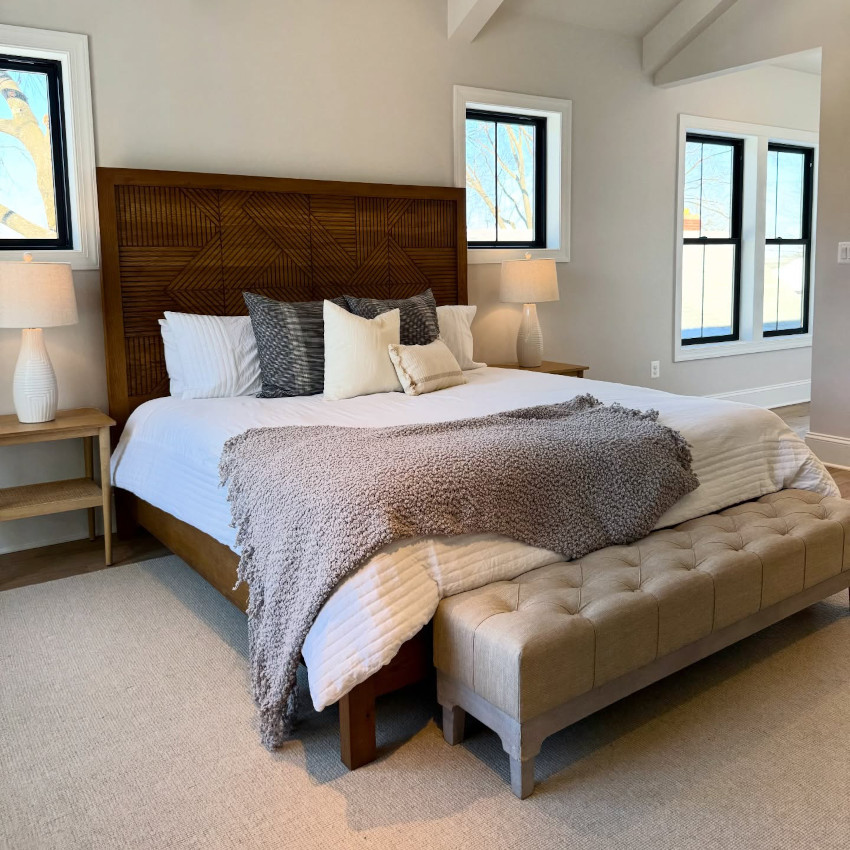
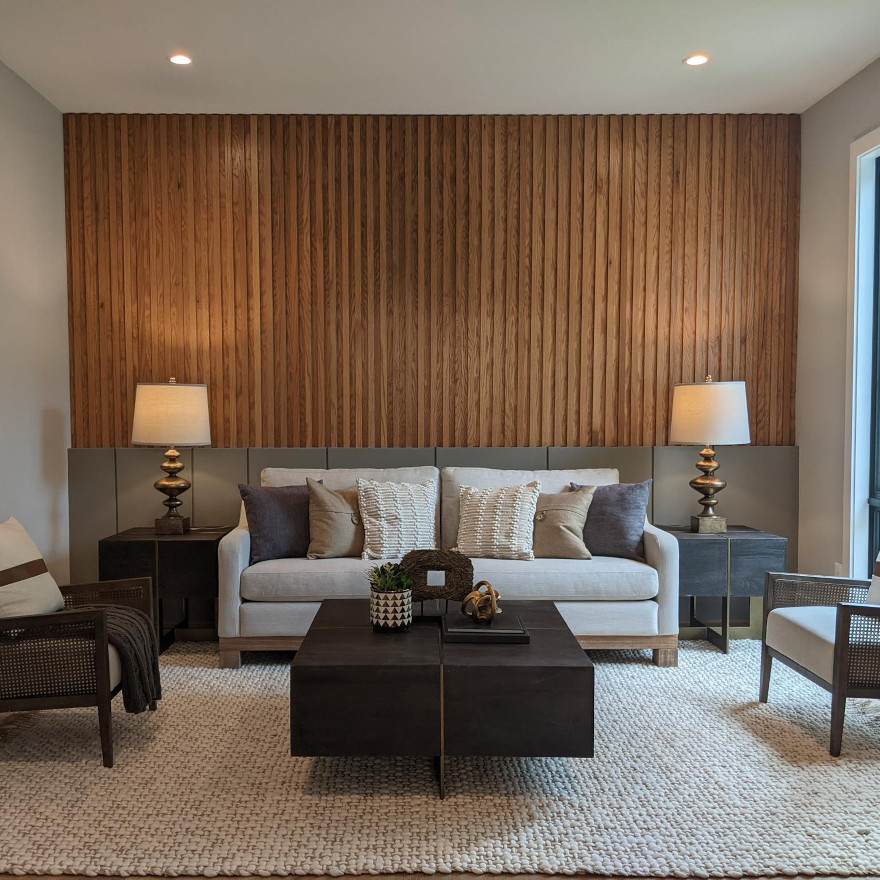
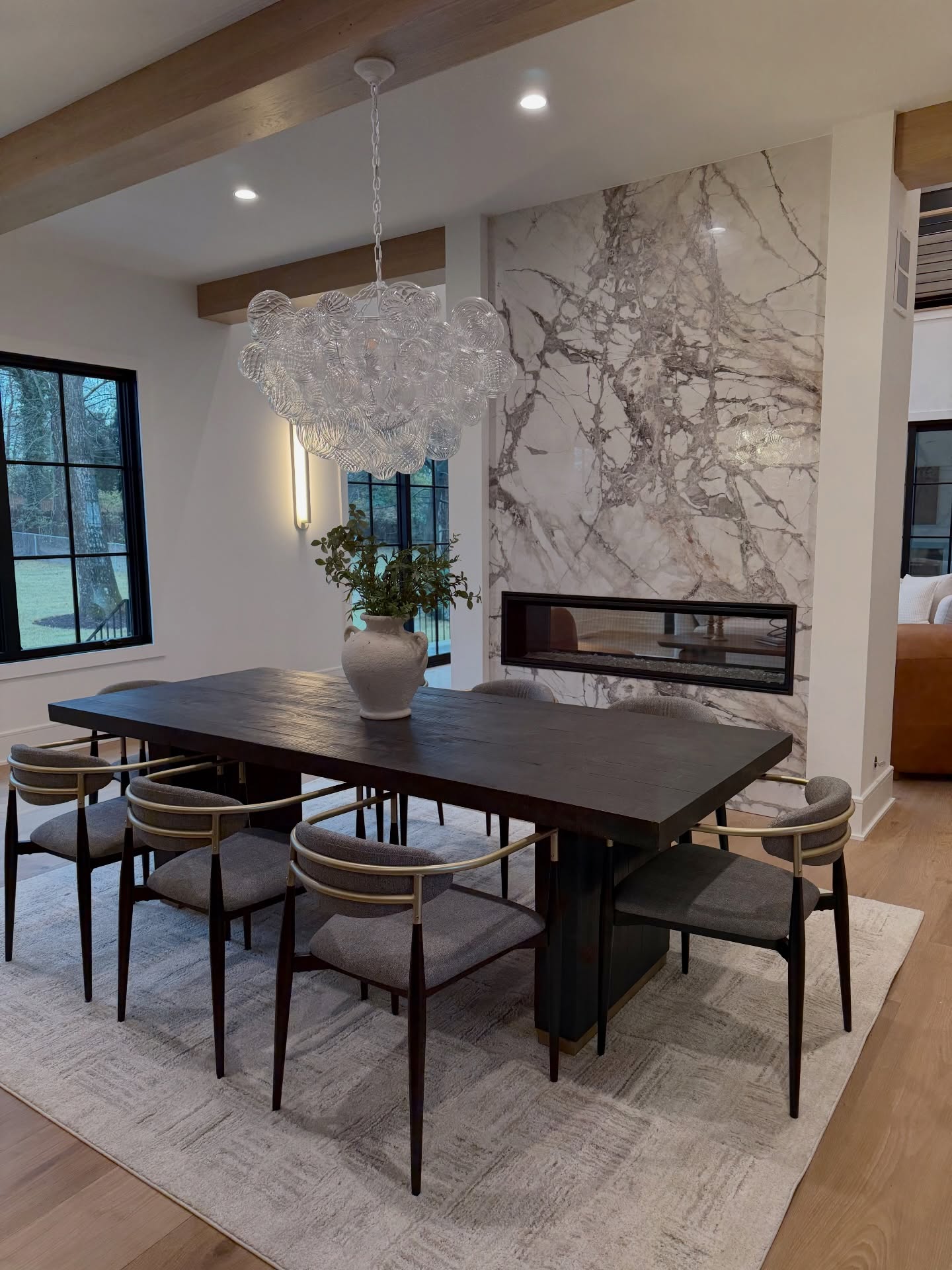
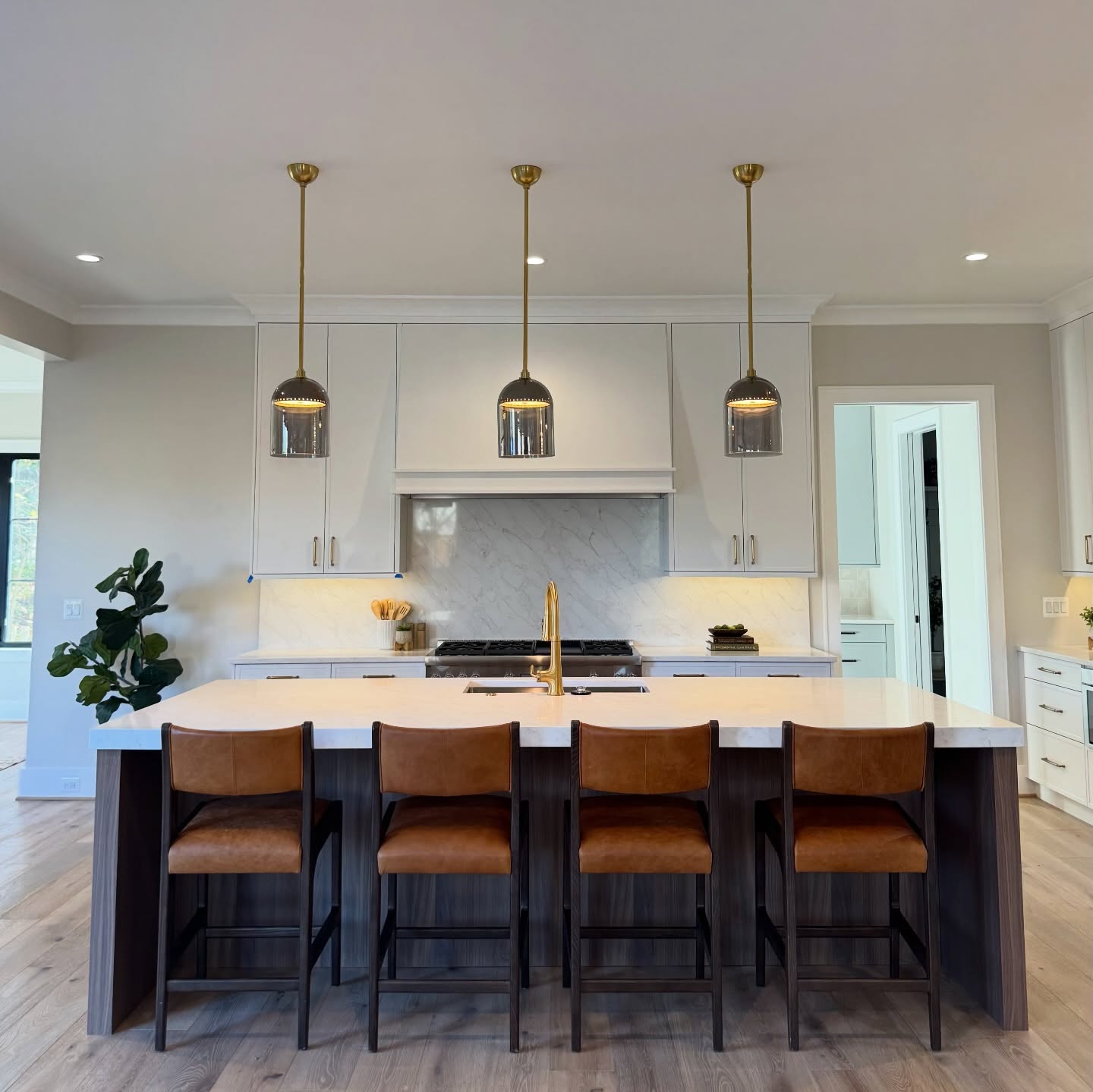
How it shows up in real listings: Buyers anchor their judgments in the core rooms they imagine using every day. A staged living room establishes comfort, proportion, and flow. A staged primary bedroom signals scale and retreat. A well-presented kitchen reinforces function and readiness, even when the cabinetry and counters are unchanged. When these spaces are staged coherently, buyers tend to carry a positive expectation into secondary rooms. Additional rooms—home offices, dining rooms, basements, nurseries—are staged selectively based on the target buyer and the home’s layout, often focusing on areas that otherwise feel ambiguous or underutilized.
WHY it matters: Buyers extrapolate. If key rooms feel “solved,” buyers become more receptive and less critical. If key rooms feel off—empty, cluttered, awkward, or overly personalized—buyers become more price-sensitive and more likely to negotiate. Prioritizing the rooms that drive first impressions is one of the most cost-effective ways to improve listing performance without over-scoping.
Common misconception: Effective staging is not about furnishing every room; it is about prioritizing the rooms that drive perception and decision-making.
Staging-forward recommendation: For a high-impact staging scope, professional staging should prioritize the rooms that anchor lifestyle and influence buyer confidence.
What colors photograph best and show best for resale?
Neutral, balanced colors tend to photograph and show best because they reduce visual noise and support broad buyer appeal. The best choice is the one that complements the home’s fixed finishes and supports consistent lighting across rooms.
How it shows up in real listings: High-contrast or highly saturated colors can dominate listing photos and make spaces feel smaller or more polarizing. A controlled neutral palette keeps attention on architecture, light, and layout—while allowing staged textiles and art to add warmth and depth. This does not mean everything must be white; it means color choices should be cohesive, calm, and consistent with the price point.
WHY it matters: Photography is the first filter. Colors that read cleanly and consistently increase online engagement and reduce buyer skepticism. When rooms feel visually calm, buyers focus on value and function.
Common misconception: Neutral does not mean bland; it means broadly appealing and aligned with finishes and buyer expectations.
Staging-forward recommendation: Use professional staging to coordinate color balance through textiles, art, and lighting so photos read clean and showings feel cohesive.
Should outdoor spaces be staged?
Outdoor staging can be valuable when outdoor living is a meaningful selling feature, especially for covered spaces that function like an extension of the interior. In general, covered outdoor areas are the most practical and impactful spaces to stage.
How it shows up in real listings: Covered porches, screened-in patios, and covered decks photograph well and help buyers picture daily living and entertaining. Uncovered outdoor areas introduce a different reality: exposure to weather, sun fading, moisture, pollen, and increased wear-and-tear risk. In practice, uncovered staging often delivers less consistent results because the setup can quickly degrade visually and materially, especially across longer listing timelines.
WHY it matters: Outdoor living sells lifestyle, but presentation must remain consistent. Covered spaces allow staging to stay photo-ready and protected while still delivering the emotional “this is how you’d live here” effect. Uncovered staging can create maintenance burdens and inventory damage risk that outweighs the marketing benefit.
Common misconception: Outdoor staging is not about placing furniture everywhere; it’s about defining the most usable, buyer-relevant outdoor moments.
Staging-forward recommendation: Prioritize staging covered outdoor living areas where the setup will photograph well and remain protected through the marketing period.
Can you stage around existing furniture instead of replacing everything?
Yes, in some cases. Existing furniture can be incorporated if it is appropriately scaled, in good condition, and aligned with the target buyer and price point. The goal is a cohesive final result, not a mix that feels accidental.
How it shows up in real listings: The most effective blended approach is selective: keep pieces that fit well, remove what crowds the room or dates the presentation, then supplement with staging items that improve cohesion (rugs, art, lighting, accent furniture, bedding). The risk is inconsistency—when furniture styles clash or the scale varies room to room, buyers read the home as less finished. When the existing pieces are strong and limited, blending can work well.
WHY it matters: Cohesion drives perceived quality. A cohesive stage supports confidence and price integrity. A mismatched blend creates doubt and discounting behavior.
Common misconception: Using existing furniture is not automatically cheaper or better; it only works when the final presentation reads as intentional.
Staging-forward recommendation: A professional stager should evaluate existing furniture objectively and recommend what stays, what goes, and what should be added to create a cohesive buyer-ready presentation.
How do you stage a home with unusual layouts or awkward rooms?
Awkward rooms are staged by assigning a clear purpose, using correct scale, and creating clean pathways. The goal is to eliminate ambiguity so buyers understand how the space adds value.
How it shows up in real listings: Odd-shaped rooms, long narrow spaces, bonus rooms, and ambiguous nooks create hesitation because buyers can’t quickly define them. Staging solves this by giving the room a logical job—office, reading space, fitness corner, secondary lounge—and furnishing it with restraint so it reads intentional rather than crowded. Sightlines matter; the room should feel connected to the rest of the home rather than like an afterthought.
WHY it matters: Ambiguity reduces perceived value. If buyers can’t assign a purpose, they discount the space. Staging turns “awkward” into “useful,” which supports stronger perceived square footage value and cleaner showings.
Common misconception: Awkward rooms are not “unstageable.” They require purposeful definition and disciplined scale.
Staging-forward recommendation: For unusual layouts, professional staging is a practical way to define function, reduce confusion, and protect perceived value.
Staging Costs & Value
How much does home staging typically cost?
Staging costs vary based on home size, number of rooms staged, inventory standard, and rental duration.
Staged Interior staging is priced using a transparent package model based on the number of spaces staged and the level of presentation required for the home’s price point and target buyer. Our service is structured in two phases: Listing Activation (5 weeks), which includes design planning and installation for the initial market launch, followed by Market Presence billed in recurring 4-week cycles while the home remains actively marketed.
Pricing varies primarily based on package selection and scope—how many spaces are staged and the level of presentation needed to match the home’s price point and target buyer. The fastest way to land on the right price is to select the package that best fits the home’s staging needs, then adjust from there using clearly priced add-ons when additional rooms or features should be included.
If a client is unsure, or if we see a package selected that doesn’t appear to be the right fit, we will guide the selection before moving forward. We use the home’s size, layout, and how the target buyer will evaluate the property in that market to recommend the most appropriate service offering, so the staging scope supports a strong launch, photographs cleanly, and shows the home’s functionality with clarity.
See current packages pricing here.
How it shows up in real listings: Pricing is usually driven by three factors: the amount of inventory needed, the labor and logistics required to install and remove it, and the design standard expected at the property’s price point. Staging three key rooms is typically more cost-efficient than staging every space, and it often produces most of the performance benefit. Building access (stairs, elevators, parking distance), timeline requirements, and property readiness can affect labor. Higher-end homes typically require higher-grade furnishings and styling to meet buyer expectations, which influences cost but also improves alignment with the target buyer.
WHY it matters: Staging should be evaluated against the cost of underperformance—price reductions, longer carrying time, missed launch momentum, and increased concessions. A staging plan that improves buyer response early can protect pricing and reduce total time on market, which often makes it financially rational even when the upfront investment feels meaningful.
Common misconception: The lowest-cost staging option is not always the best value; underpowered staging may fail to change buyer perception.
Staging-forward recommendation: For cost-effective impact, professional staging should be scope-matched to the listing and prioritized around the rooms that drive buyer decisions.
Is staging more cost-effective than a price reduction?
In many cases, yes. A single price reduction can exceed the cost of staging and can also signal weakness to buyers, increasing negotiation pressure. Staging supports stronger initial positioning and may reduce the likelihood of reductions.
How it shows up in real listings: Price reductions often happen after low showing activity or weak buyer feedback, and those problems are frequently tied to presentation. Staging addresses the underlying issue by improving online clarity and in-person confidence. When a staged home attracts stronger early attention, sellers are less likely to “chase the market” with reductions. Even when a reduction becomes necessary due to fundamentals, staging helps the adjusted price perform by ensuring the home looks competitive and credible against alternatives.
WHY it matters: Price is not only arithmetic; it is narrative. When buyers see reductions, they assume an issue and often negotiate harder. Staging helps protect the narrative by presenting the home as well-positioned and ready, which can reduce the intensity of discounting behavior and support cleaner terms.
Common misconception: Staging is not a substitute for correct pricing; it is a presentation strategy that helps correct pricing perform as intended.
Staging-forward recommendation: When protecting price integrity matters, professional staging is a practical step to improve perceived value and reduce concession-driven outcomes.
Is staging tax-deductible?
Staging may be deductible in some circumstances, particularly for investors, builders, or properties held in a business context, but deductibility depends on ownership structure and individual tax situation. Sellers should confirm treatment with a qualified tax professional.
How it shows up in real listings: Many sellers treat staging as a marketing or selling expense, yet tax outcomes vary between primary residences, investment properties, and business-held assets. Documentation matters: clear invoices, scope descriptions, and accurate categorization support clean recordkeeping and potential tax review. In some situations, staging may be treated as a marketing expense associated with selling; in others, it may not be deductible or may be handled differently based on how the property is used and reported.
WHY it matters: Net cost influences decisions. If staging is eligible for favorable tax treatment, the effective cost may be lower than expected, which can materially change the cost-benefit analysis. Even when deductibility does not apply, staging can still be justified by its impact on listing performance, time on market, and negotiation leverage.
Common misconception: Staging is not automatically deductible; tax treatment is fact-specific and should not be assumed.
Staging-forward recommendation: When staging is part of a professional marketing plan, working with a staging firm and maintaining clean documentation supports operational clarity and informed tax guidance.
Is home staging worth it?
Home staging is often worth it when presentation materially influences buyer response and when the listing competes against well-presented alternatives. The decision should be evaluated against the costs of underperformance: longer time on market, price reductions, and increased concessions.
How it shows up in real listings: “Worth it” depends on the property and strategy. Vacant homes frequently benefit because staging clarifies function and improves photos, which increases showing volume. Higher-priced homes often require a higher standard of presentation to meet buyer expectations. Occupied homes can benefit through editing and targeted supplementation that corrects scale issues and reduces distraction. The most reliable approach is to match scope to leverage—prioritize the rooms that drive first impressions, support the pricing strategy, and create a consistent photo set and showing experience.
WHY it matters: Small differences compound. A staged home that attracts stronger early traffic is less likely to become stale. A home that shows clearly is less likely to invite discounting. Staging is one of the few controllable levers that can improve perception quickly without remodeling, which often makes it a rational investment when outcomes and terms matter. If you want a defined, scope-matched plan, a professional firm such as Staged Interior can align staging decisions to the target buyer and listing strategy.
Common misconception: Staging is not automatically worth it in every case; poor scope, weak inventory, or misalignment with the buyer can limit impact.
Staging-forward recommendation: When buyer perception influences speed and terms, professional staging is a practical step to improve clarity, confidence, and competitive positioning.
Does staging help with appraisals?
Staging does not directly increase appraised value, because appraisals are based on comparable sales and objective property characteristics. However, staging can indirectly reduce appraisal friction by supporting market-aligned contracts and stable buyer behavior.
How it shows up in real listings: Staged homes often show more consistently and photograph more clearly, which can lead to stronger offers with fewer “presentation discounts.” That contract price is what underwriting must reconcile against comparable sales. While furniture is not valued, a staged presentation can help a home perform appropriately within its segment—attracting the right buyer pool and reducing volatility caused by uncertainty or poor first impressions. This can support smoother execution, particularly when the home is priced correctly relative to the market.
WHY it matters: Appraisal challenges typically emerge when contract prices detach from comparable support or when negotiations become unstable. Staging does not “beat” an appraisal, but it can help reduce avoidable friction by strengthening buyer confidence and supporting a clean contract that reflects real market response rather than confusion-driven discounting.
Common misconception: Staging does not change the appraisal; it improves market response, which can reduce transaction friction and renegotiation pressure.
Staging-forward recommendation: For listings where clean execution matters, professional staging is a practical way to stabilize buyer perception and support orderly deal progression.
Buyer Perception & Trust
Do buyers assume staged furniture is included?
Most buyers do not assume staging furniture is included, particularly when the listing discloses that items are for marketing purposes only. Staging is broadly recognized as a standard component of residential marketing.
How it shows up in real listings: Confusion tends to occur when disclosure is missing or when staging appears unusually custom to the home. Standard listing language and clear agent communication typically resolve this. In some cases, buyers may ask whether certain pieces can be purchased, which can be handled separately if the seller or stager offers that option. The key is to keep staging focused on clarifying space and supporting the buyer’s experience, not introducing ambiguity about what conveys.
WHY it matters: Misunderstandings slow decisions and can create unnecessary friction during contract negotiations. Clear disclosure protects trust and keeps attention where it belongs—on the home’s features, condition, and value. A transparent presentation also reduces buyer skepticism, which helps maintain momentum from showing to offer.
Common misconception: Buyers generally understand staging is temporary; confusion is most often caused by missing disclosure, not by staging itself.
Staging-forward recommendation: For a clean buyer experience, professional staging paired with clear disclosure is a practical way to enhance presentation without creating confusion.
Can staging hide flaws in a home?
Ethical staging should not hide defects or obscure material issues. Staging highlights strengths and clarifies function, while repairs and disclosures remain separate responsibilities.
How it shows up in real listings: Staging can reduce the visual dominance of minor drawbacks by improving balance, lighting, and layout. For example, a thoughtfully placed seating arrangement can improve flow in an awkward room, and layered lighting can help a darker space read better. That is different from concealment. Structural issues, water intrusion, damaged finishes, or mechanical problems must be addressed directly through repair, disclosure, or pricing strategy. Professional staging should never be used to block access, cover damage, or mislead buyers about condition.
WHY it matters: Attempts to mask problems often backfire. When buyers discover issues later, trust erodes and negotiations become harsher, increasing the risk of deal failure. Staging performs best when it supports an honest, well-prepared listing that delivers a consistent experience from photos to showings to inspection.
Common misconception: Staging is not “covering things up”; it is clarifying the space so buyers can evaluate the home more accurately.
Staging-forward recommendation: For best results, professional staging should be paired with appropriate preparation and repairs so presentation aligns with the home’s true condition.
Is home staging considered misleading?
Home staging is not misleading when it accurately represents the property and marketing materials disclose that furnishings are not included. Staging is a widely accepted marketing practice used to illustrate scale, function, and lifestyle potential.
How it shows up in real listings: Ethical staging focuses on what the home is, not what it is not. It does not change the structure, add non-existent features, or conceal defects. Instead, it clarifies how rooms work and presents the home at a consistent standard. The risk of “misleading” impressions usually comes from mismatch—when online images suggest something the buyer cannot experience in person. Clear disclosure, accurate photography, and professional practice prevent that mismatch by keeping the staging aligned with the home’s real condition and layout.
WHY it matters: Trust affects negotiation. When a home’s marketing matches the showing experience, buyers remain focused on value and fit. When there is a perceived disconnect, buyers become skeptical and more likely to search for flaws or push for concessions. Staging should strengthen credibility by improving clarity, not create doubt through overstatement or inconsistency.
Common misconception: Staging is not “hiding issues”; it is presenting the home clearly while keeping disclosures and condition transparent.
Staging-forward recommendation: For sellers who want stronger presentation without compromising trust, professional staging paired with clear disclosure is a practical approach.
Preparing Your Home for Staging
What should I do before staging day to prepare the home?
The home should be clean, repairs complete, and surfaces cleared so staging can be installed efficiently and photographed immediately afterward. Staging performs best when the property is stable—no active contractors, wet paint, or unfinished flooring.
How it shows up in real listings: The most common staging friction points are logistical: painters finishing late, cleaners scheduled after staging, repairs still in progress, or utilities not on. Proper prep typically includes deep cleaning, finishing touch-up paint, completing repairs, replacing burned-out bulbs, clearing countertops, and removing personal photos and excess décor. For vacant homes, the goal is a clean, empty canvas. For lived-in homes, the goal is “show-ready” storage and consistent resets between showings.
WHY it matters: Staging is part of a launch system. If the home isn’t ready, photography gets delayed, the listing debut weakens, and momentum is lost. Preparation also protects inventory and reduces the risk of rework.
Common misconception: Staging is not a substitute for cleaning and repairs; it is the final layer that performs best once the home is properly prepared.
Staging-forward recommendation: Treat staging as the final step before photography so the listing can launch immediately at its best.
Do I need to declutter before staging, even if the home is staged?
Yes. Decluttering is foundational because staging is designed to create clarity, not compete with personal items or excess furniture. Even excellent staging will underperform if rooms remain visually noisy.
How it shows up in real listings: Clutter most commonly shows up on counters, shelves, closet floors, and in corners where extra furniture accumulates. In photos, clutter compresses spaces and makes them feel smaller. In person, it distracts buyers and increases their sense that the home will require effort. For occupied homes, decluttering is often the difference between “staged” and “still feels lived-in.” For vacant homes, unnecessary items left behind (boxes, leftover décor, cleaning supplies) undermine a premium first impression.
WHY it matters: Buyers interpret clutter as a proxy for limited storage and poor maintenance. That perception causes discounting behavior and negotiation pressure. Decluttering lets the staged design do its job: show proportion, flow, and function.
Common misconception: Decluttering is not only about tidiness; it is about preserving scale, sightlines, and buyer focus.
Staging-forward recommendation: A professional staging plan should include specific decluttering targets so the final presentation reads cleanly in photos and showings.
Should I remove personal photos and highly specific décor?
Yes. Personal photos and highly specific décor reduce buyer imagination and can narrow appeal. Staging aims to create a neutral, market-appropriate environment that buyers can mentally move into.
How it shows up in real listings: Buyers notice personal items immediately, and that attention shifts away from the home’s features. Overly themed rooms, bold collections, and strongly opinionated wall art can create an emotional “no” even when the home is objectively strong. Removing personal photos, limiting visible collections, and reducing highly specific décor helps the home feel calmer, larger, and more broadly relatable.
WHY it matters: Homes sell when buyers project their own life into the space. Personal items interrupt that projection and increase hesitation. Neutral presentation lowers friction and increases confidence.
Common misconception: Removing personal items is not about making a home sterile; it’s about allowing the buyer to see themselves in it.
Staging-forward recommendation: Before staging, remove personal photos and highly specific décor so the design can support broad buyer appeal.
How do I keep a staged home looking good during showings?
Maintain a consistent show-ready standard: clear surfaces, reset pillows and throws, keep beds made, keep bathrooms clean, and keep lighting consistent with the staged look. The goal is to match the photos buyers saw online.
How it shows up in real listings: Most staged homes lose impact through small drifts: daily items returning to counters, clutter accumulating, and rooms no longer reflecting the staged composition. The practical solution is a short reset checklist: clear counters, wipe sinks, close toilet lids, take out trash, quick vacuum, set lamps, and keep blinds consistent. For occupied homes, routine matters more than occasional deep cleaning. For vacant homes, controlling access and ensuring cleaners follow a consistent standard protects the staging.
WHY it matters: Buyers compare homes quickly and emotionally. If the staged photos show one thing and the showing delivers another, buyers feel disappointed or skeptical. Consistent presentation preserves momentum and supports stronger offers.
Common misconception: Staging is not “set it and forget it”; it performs best when the home is maintained at the same standard as the photography.
Staging-forward recommendation: Use a professional staging maintenance checklist and keep the home aligned with the staged photo standard throughout the marketing period.
Should I stage differently for an open house than regular showings?
The core staging should remain consistent, but open houses benefit from an operational reset: lighting, pathways, surface clearing, and odor neutrality. Small adjustments should support clarity, not add clutter.
How it shows up in real listings: Open houses create higher traffic and less controlled buyer behavior, so the home must be reset to its cleanest state. The most effective changes are not decorative—they are functional: all lights on where appropriate, a consistent blind position, clear walkways, and a fully reset kitchen and bathrooms. If any additions are made, they should be minimal and neutral so the home still reads like the photos.
WHY it matters: Open houses amplify first impressions. A staged home that feels clean and effortless to walk through supports confidence and increases follow-up showings and offers.
Common misconception: Open house success is not about adding more décor; it’s about removing friction and preserving clarity.
Staging-forward recommendation: Keep staging consistent and use a professional reset plan so open house traffic experiences the home at its best.
How do scent and odors impact buyer perception?
Odors materially influence buyer perception because scent triggers immediate emotional responses. Best practice is odor neutrality—clean air, no pet odors, no smoke, and no heavy fragrances.
How it shows up in real listings: Pet odors, smoke, mildew, and strong cooking smells are common deal killers. Overcorrection can backfire: heavy candles or plug-ins can create suspicion that something is being masked. The practical approach is to eliminate odor sources through deep cleaning, HVAC filter changes, soft-good cleaning, and proper ventilation, then keep the home neutral during showings.
WHY it matters: Buyers remember how a home made them feel. Odors create a negative emotional response quickly and can cause buyers to leave early or discount the home even when visuals are strong.
Common misconception: Strong fragrance is not the answer. Neutral, clean air performs better than “cover-up” scents.
Staging-forward recommendation: Pair professional staging with odor-neutral preparation so the buyer experience remains clean, calm, and trust-building.
Working with Staged Interior
Who pays for home staging — the seller or the agent?
In most transactions, the seller pays for staging because it is a marketing expense tied directly to the seller’s net proceeds. In some situations, an agent may choose to cover or subsidize staging, but that depends entirely on the agent’s business model and how they structure their listing services.
How it shows up in real listings: Many high-performing agents treat staging like a core part of their listing strategy and will either pay for it, partially fund it, or build it into how they operate—especially when they are competing to win listings or when presentation strongly affects the price point. In practice, we often see the highest volume of staged projects coming from agents who cover staging for the homeowner because it removes friction, protects the launch timeline, and creates a consistent marketing standard across their listings.
WHY it matters: Confusion over who pays causes delays, and delays weaken the most important window of the listing—launch. When staging is treated as a standard part of market preparation, photography and listing activation happen on schedule, the property enters the market at full strength, and negotiation leverage is protected.
Common misconception: Staging is not automatically “included” in an agent’s services; if an agent covers it, that is a deliberate business choice.
Staging-forward recommendation: Decide who is funding staging early so the home can be staged before photography and launched at the highest possible standard.
What's the difference between occupied staging and vacant staging?
Occupied staging refines a lived-in home through editing, layout adjustments, and selective additions, while vacant staging furnishes an empty home to establish scale, function, and lifestyle. At Staged Interior, we do not treat “occupied vs vacant” as separate product lines—our packages define scope and focus—though we specialize in vacant staging and typically recommend full move-out for the most cohesive result.
How it shows up in real listings: Vacant homes generally need staging to prevent rooms from feeling smaller or undefined, especially online. Occupied homes can be staged successfully, but the outcome depends heavily on what existing furniture must remain. Blending owner furnishings with staging inventory can create inconsistencies in style, scale, and quality that reduce the “finished” feel. When a seller can fully move out, design decisions are more cohesive, photography is more consistent, and the property reads as a complete product rather than a mix of styles.
WHY it matters: Buyers are comparing listings quickly. A cohesive design story removes doubt, increases emotional connection, and supports cleaner offers. When presentation feels blended or uneven, buyers become more critical and price-sensitive.
Common misconception: Occupied staging is not simply cleaning and decluttering; it still requires intentional scale, layout, and a consistent design direction.
Staging-forward recommendation: For the strongest presentation, consider a full move-out and professional staging that delivers a cohesive, market-ready design story.
What happens if a staging item is damaged?
Staged Interior’s damage policy is clearly defined in our staging agreement, including what is considered normal wear versus billable damage. As a practical matter, if an item can be repaired quickly and restored to standard, we typically handle it without escalation; meaningful damage, missing items, or total loss is different and may require replacement.
How it shows up in real listings: Damage most commonly happens during heavy access periods—showings, contractor visits, move-outs, or when a vacant home is accessed without controls. Our process is designed to keep expectations clean: inventory is installed intentionally, the home should remain secure, and access should be limited to what’s necessary for marketing and showings. When small issues occur (a scuff, a minor snag, a loose component), the fastest path is usually a quick repair so the staged presentation stays consistent. When an item is materially damaged or removed, replacement is often required to preserve design continuity and prevent the listing from showing “degraded” compared to its photos.
WHY it matters: Staging works because it creates a coherent, premium experience. If that experience deteriorates, buyer confidence drops and discounting behavior increases. A clear damage policy protects the integrity of the design, keeps the home showing at the standard it was marketed at, and prevents disputes that can slow down the listing timeline.
Common misconception: Staging furniture is not disposable because it’s temporary; it should be treated like furnished property in a premium showing environment.
Staging-forward recommendation: To protect presentation and momentum, work with a professional staging firm that has a written damage policy and a clear process for quick repairs and appropriate replacements when needed.
Do staging companies carry insurance?
Yes — Staged Interior is fully insured. Regardless of who you hire, it’s reasonable to confirm that a staging company carries appropriate business insurance before allowing inventory to be installed in a property.
How it shows up in real listings: Insurance questions usually come up when high-value inventory is installed, when the home is vacant, or when multiple parties will access the property during the listing period. A professional staging firm should operate with proper insurance and handling standards, while the property owner maintains normal homeowner or builder risk coverage. The most important operational layer is still control: secure access, coordinated scheduling for contractors, and a consistent showing plan that protects both the property and the staged setup.
WHY it matters: Staging is a professional service operating inside a real asset. Proper coverage is part of responsible operations, and confirming it reduces risk for the seller, the agent, and the staging company. It also signals professionalism and helps prevent avoidable surprises if something unexpected occurs during the marketing period.
Common misconception: A staging company’s insurance does not replace homeowner or builder risk insurance; they cover different exposures and responsibilities.
Staging-forward recommendation: Before selecting any stager, confirm insurance coverage and choose a professional firm that documents standards and operates with clear policies.
How do I know which staging package is right for my home?
The right staging package is the one that matches the home’s price point, layout, and target buyer expectations in that market. Package selection should prioritize the spaces that shape first impressions and drive buyer confidence in photos and showings.
How it shows up in real listings: Sellers often under-scope homes that need clear definition, or they choose a scope that doesn’t match the segment. The most effective approach is to select a package that covers the core spaces buyers evaluate first, then adjust through clearly priced room additions when the layout or buyer profile calls for additional coverage. If a package is selected that we do not believe is a good fit, we will guide scope selection before installation. We use the home’s size, layout, and how the target buyer will evaluate the property in that market to recommend the most appropriate package so the staging photographs cleanly, shows confidently, and supports the listing strategy.
WHY it matters: Package fit determines performance. When scope matches buyer expectations, the home reads as complete, move-in ready, and competitively positioned—driving stronger engagement and cleaner offers. When scope is underpowered, buyers experience the home as incomplete or hard to interpret, which slows momentum and increases discounting behavior.
Common misconception: Package selection is not just a budget decision; it is a market-positioning decision tied to buyer expectations and listing competition.
Staging-forward recommendation: If you’re unsure which package to choose, use a professional firm like Staged Interior to guide scope selection so the staging aligns with the home, the target buyer, and the strategy needed to win the market.